Author Archives: Multimedia Mike

Pretty Call Graphs Based On The call/ret Monitor

Thanks for Benjamin Larsson for advising me on how to make a proper graph using Graphviz (specify a graph of type ‘prof’ vs. ‘unix’). Thus, here are some nice (and big) graphs based on the call/ret experiment at this point:

See this post (“Refining The call/ret Monitor”) for details on how the graph data is generated.

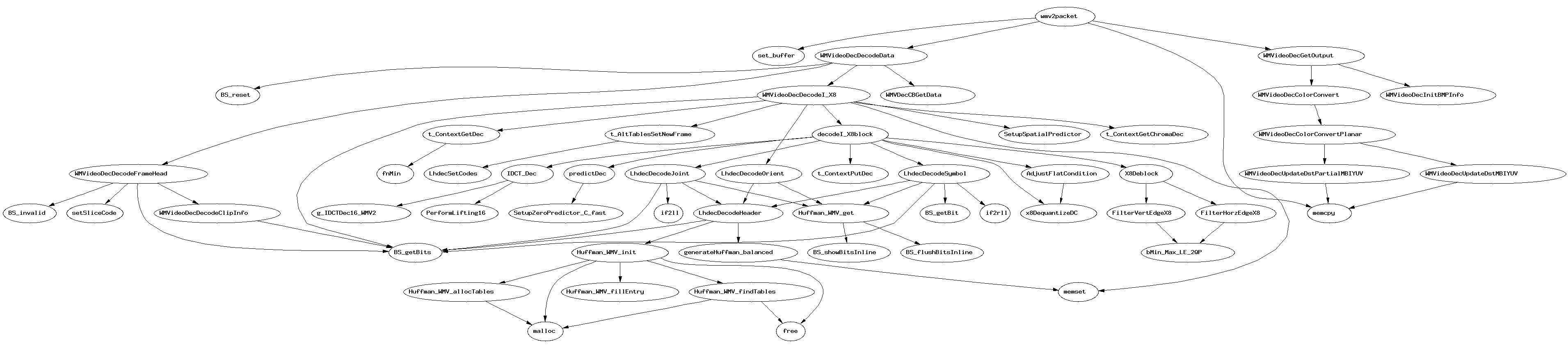
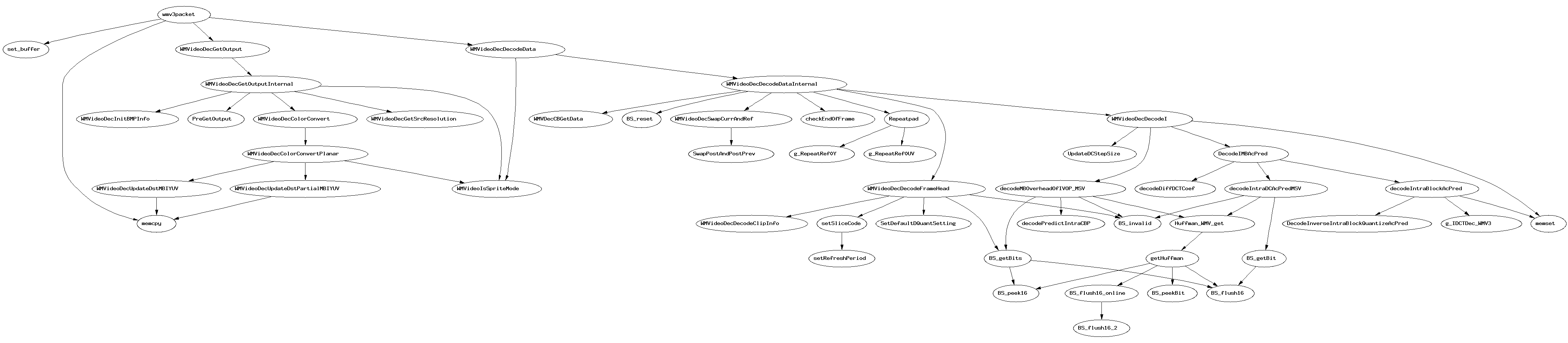
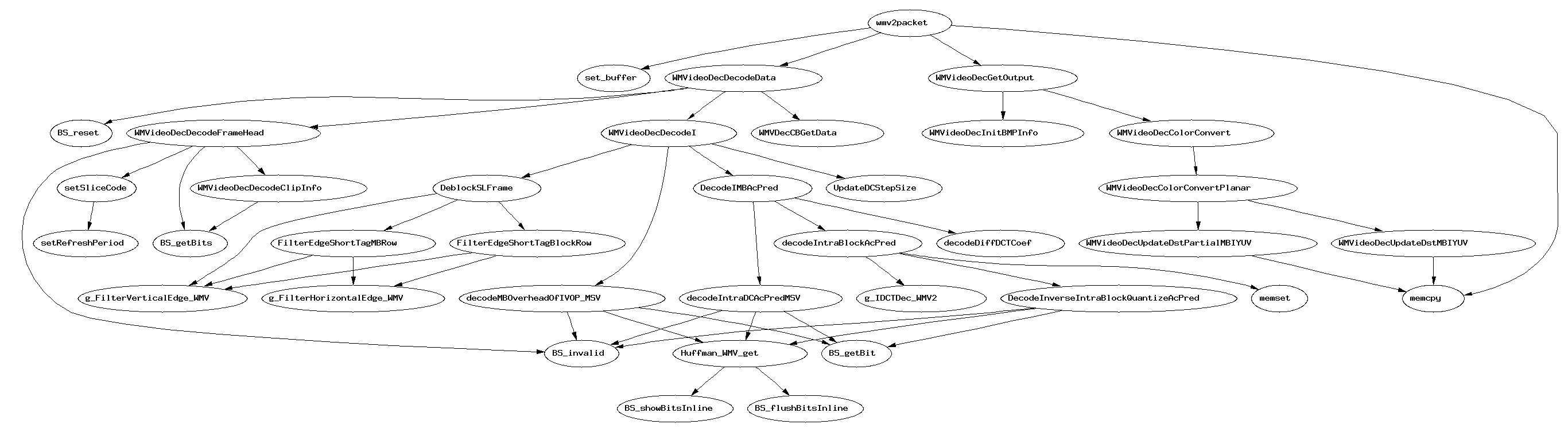
And as a bonus, I put the toolset to work analyzing Linspire’s WMV3/WMV9 decoding module. Here are some call graphs (I used the teaser trailer from Halo 2, hence the “halo2” in the filenames):

Refining The call/ret Monitor

Reverse engineering is, of course, a tedious, time-consuming, and error-prone task. It requires a lot of concentration that I either do not have or do not care to invest in the RE task. That is why so many of my RE experiments are geared toward automating the task as much as possible. To that end, I am optimistic about this call/ret monitoring experiment since it yields such a good high-level overview of an algorithm contained in a binary (with debug symbols). But it can use some improvement(s):

Continue reading →

Foiling The call/ret Monitor

In the grand tradition of arms races, I like to give equal time to counter-reverse engineering techniques. Colin Hill suggested an interesting way to cause trouble for my call/ret monitoring solution. Make functions that start with a long sequence of NOPs. Instead of calling the actual start address, load the starting address into a register and add a random number to the base address that still points into the NOP range. This would pollute the address space range in the output.

For die-hard, old school reverse engineers, this would also have the effect of creating paranoia of self-modifying code.